


Contents
What Is Cryptocurrency Mining?
To outsiders, mining cryptocurrency may sound like pulling money from thin air, but actually it’s more complicated than that.
To grasp this concept fully, you need to remember that every cryptocurrency is a decentralized entity – it doesn’t rely on any authority to verify transactions or introduce new coins into the system. However, this still needs to be done in order to prevent chaos. Cryptocurrency performs both these operations with the help of its holders, giving them the chance to become bankers.
Individual miners (also known as “nodes“ in the system) receive info about new transactions and stock them into blocks by solving math problems called hash functions. These blocks then go public and make up the crypto system. The miners get a reward – newly minted coins.
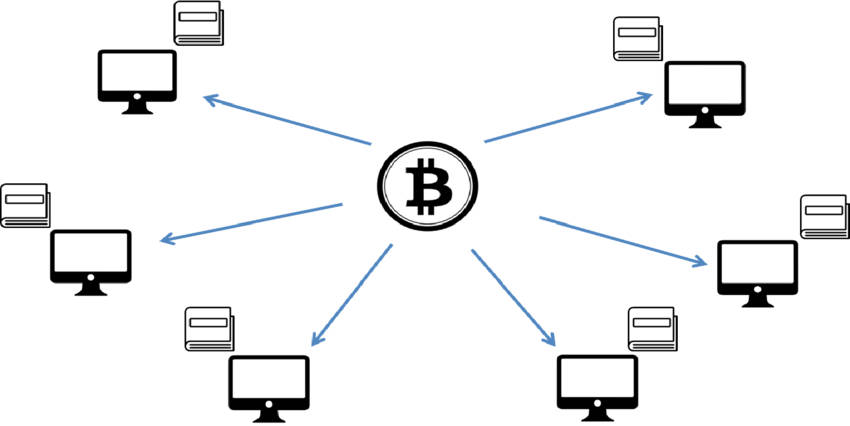 The (very) simplified scheme of Bitcoin and its nodes
The more miners – the safer the system is. But there can never be too many miners: if their number increases greatly, the system automatically lowers the complexity of math problems, and each miner gets less.
How Can You Mine Crypto?
CPU Mining
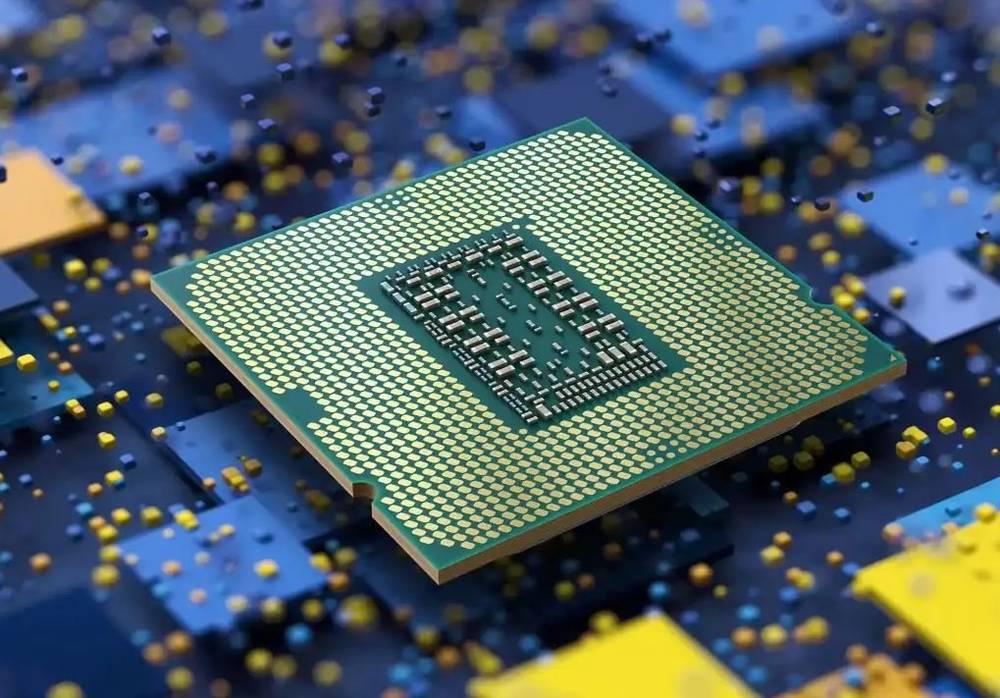
CPU mining relies on the central processing unit of your computer. This very first type of mining was introduced back in 2009 and was used by the developer of bitcoin Satoshi Nakamoto. Back then, the “brain“ of your computer was sufficient for mining, but pretty soon it became a more demanding operation. We can say that these days it’s hard to mine with your CPU, but it’s still possible.
GPU Mining
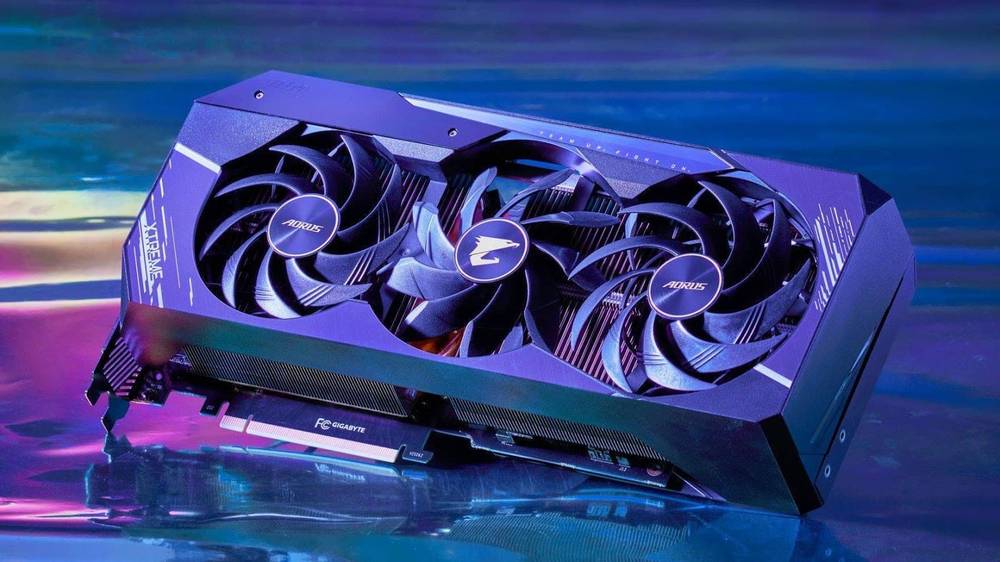
Around 2011, people started using their graphic processing units for crypto mining. It was initially designed to calculate complex graphic elements in video games, but proved to be pretty useful in the crypto world. For comparison: one GPU is worth about 30 CPUs in terms of mining power.
This type of mining has become obsolete for Bitcoin when it started consuming too much power, but it’s still very relevant for mining Ethereum, Monero or ZCash which we’ll talk about later.
Between these two periods, there was also a quick era of FPGAs. These were 3-100 times more powerful than GPUs but didn’t stick around because of troubles with configuration.
ASIC Mining
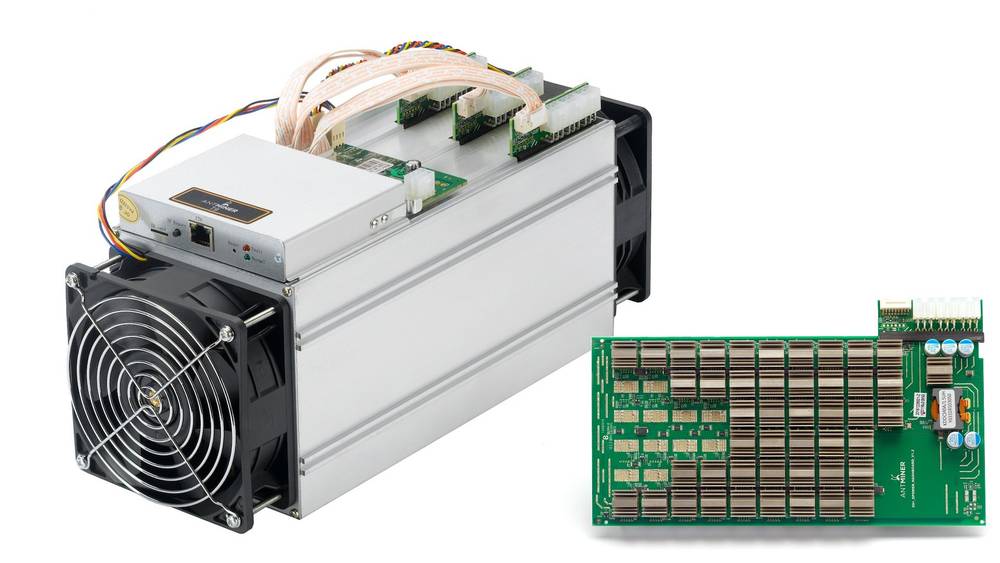
In 2013, the market finally saw the first device especially designed for mining: Application-Specific Integrated Circuits, or ASICs. The first ASICs were connected to your computer through USB and greatly increased its calculating powers.
Over the next three years, we saw a technological boom of these machines: their max speed was updated significantly every six months in a new model. Around 2016, this sphere hit a technological barrier and there hasn’t been much change since.
Crypto mining methods
Solo Mining
Pretty self-explanatory: you utilize only the mining power that you have. This way, you get all the possible reward, but your general profits might still be lower.
Pool Mining
With this type of mining, individual miners combine their effort in order to compete with huge mining farms. At the end of the process, the reward is split evenly between the miners according to the mining power each of them provided.
Cloud Mining
Cloud mining means renting mining hardware from a company. It may sound awesome, since theoretically everything is done for you, but most of the time cloud mining companies are scams, and the trustworthy ones can’t give you much profit without going bankrupt.
Web mining
In web mining, websites hijack their visitors’ CPU power and use it to mine coins. This is not very appealing to users as web mining can harm their CPUs, but for the developers it is an alternative method of monetizing their websites without placing annoying ads.
What are the Best Cryptocurrencies to Mine?
It would seem that the most profitable coin to mine would be Bitcoin, but due to high competition it’s hard to start out without large investments. So we recommend you focus on altcoins that can still turn profitable. With all the coins in this list, you can only use your GPU without having to invest in ASICs.
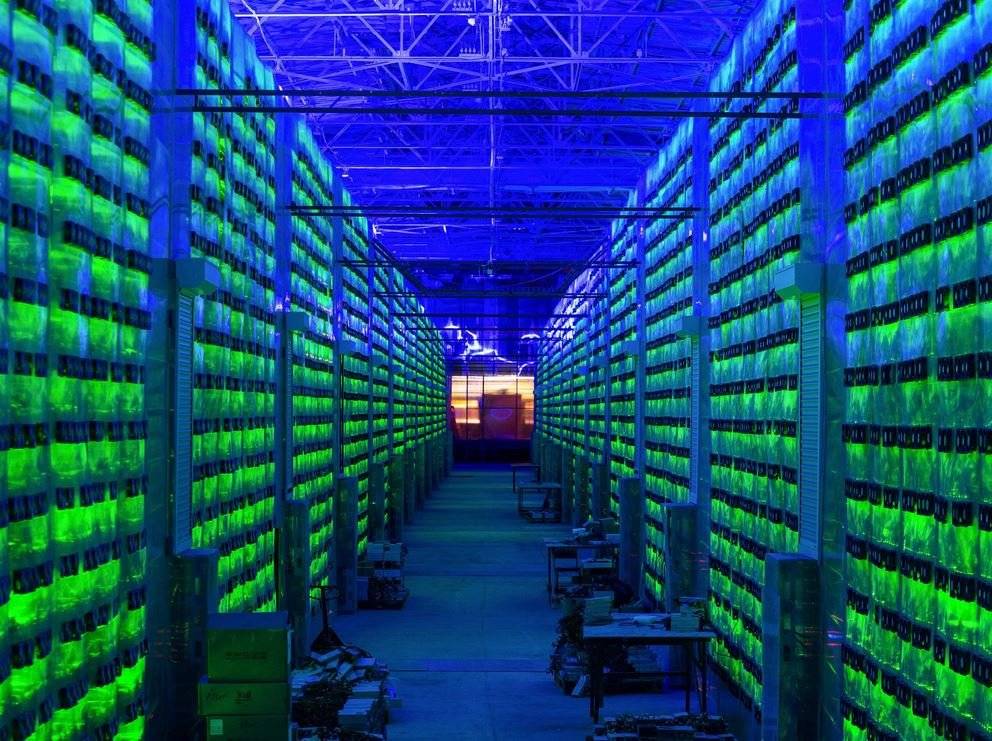
These days, the only way to make profits mining Bitcoin is building a farm like this.
Note that all the data in this list is entirely relative due to several factors:
- We used a sample hash rate of 300 mh. You should find your own hash rate on specialized websites;
- The profit rate is relevant for the time of writing the article. Even in this timeframe it must have fluctuated several times). For you, the price of the coin and the difficulty rate is different, so the profit will also be different;
- Our calculations are based on data from large mining pools; you may find other pools which are more effective for particular currencies (like Ethermine for Ethereum);
- We did not factor in the electricity price which is unique for every miner.
Keeping that in mind, let’s find out what’s the most profitable crypto to mine 2022
Most Profitable Coins to Mine
What are the easiest cryptocurrencies to mine?
If you plan on mining Dogecoin, check out this tutorial: https://freewallet.org/blog/how-to-mine-doge/
Final Thoughts
Mining can be profitable, but not every time and not for everyone. To decide if you should do it, you need to factor in the following:
- Your hash rate;
- Mining difficulty (+ its potential increase, which is the most unstable factor);
- Cost of electricity;
- Pool fees;
- Current price of the asset (+ its potential fluctuation).
Making some simple calculations, you’ll find out what is the best cryptocurrency to mine in your particular situation!
Frequently Asked Questions
Can I mine on my phone or an old computer?
Yes, but it won’t be profitable.
Isn’t mining just a waste of electricity?
Mining does consume an ample amount of electricity, but considerably less so than the traditional banking system if you count in everything from lamps in banks to ATMs. Besides, there’s been a lot of news of mining companies moving to countries with excess electricity, so mining can actually help solve the energy crisis.
What are the best cryptos to mine?
It depends on several factors (some of them are changing constantly) and can only be determined individually.